When you think of Shopify, you likely think of direct-to-consumer brands, fashion boutiques, or gadget startups. But what about a world-renowned pottery museum with a working studio, a physical shop, paid courses, and a digital archive? Recently, we planned a comprehensive Shopify replatforming strategy for a renowned pottery museum and cultural centre. The challenge was to equally showcase their museum, shop, and learning programmes within one unified system. The resulting plan serves as a masterclass in adapting Shopify far beyond traditional retail, proving it can be the digital heart for organisations where e-commerce is just one part of a complex mission.
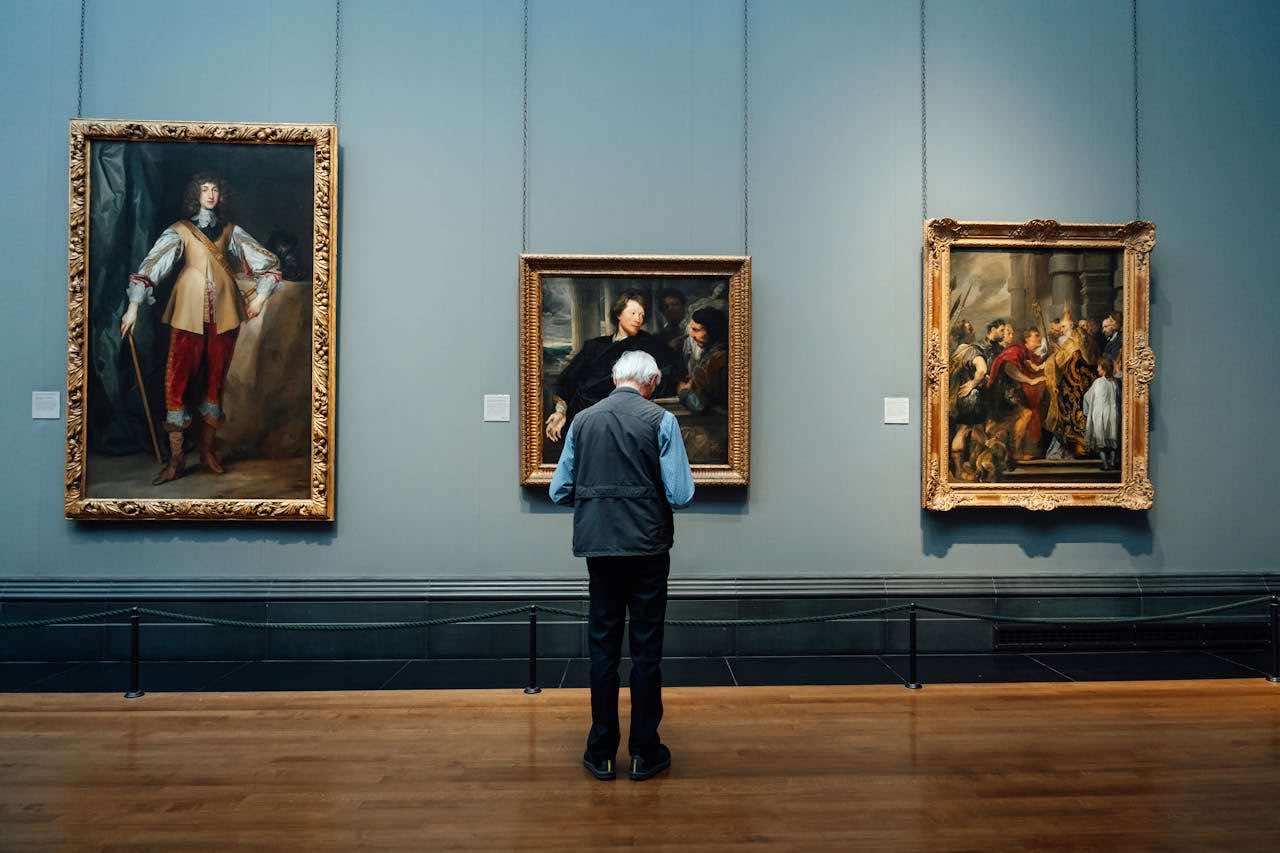
Photo by Miguel González
Here are the key lessons for deploying Shopify for museums, galleries, studios, and cultural nonprofits.
Lesson 1: Reframe Shopify as a Unified CMS, Not Just a Store
The primary requirement was to give equal digital prominence to five pillars: Museum, Learning, Exhibitions, Retail, and Community. Shopify’s native “Online Store” channel was the perfect foundation, but the real magic came from leveraging two powerful features:
-
- Metaobjects & Metafields: We architected a system to manage complex, non-product content. An “Artist” metaobject could hold a biography, associated works, and residency dates. A “Learning Programme” metaobject could link to multiple course dates (handled by a booking app), instructors, and skill levels. This turns Shopify into a true, relational CMS for cultural content.To learn how to use Metaobjects, refer to this metaobjects guide or contact us and we’ll help you out.
- Custom Sections Everywhere: Using a robust, content-focused theme as our foundation (Need help choosing the right theme? Read our detailed guide to the best Shopify themes for museums, galleries, and cultural sites), we architect flexible page templates through Shopify’s built-in theme editor. This means we could design an “Exhibitions” page template composed of modular, drag-and-drop sections: a hero video section at the top, followed by a masonry gallery section for installation photos, then a timeline section detailing the exhibition’s history, and finally a “Related Publications” section that automatically pulls in Shopify products tagged with that exhibition. The key outcome? Museum staff can rearrange these sections, update images and text, or add new content blocks (like a guest curator quote or a sponsor logo wall) without touching a single line of code or relying on developer support. This turns a static CMS into a dynamic, living storytelling tool. Have a look at this article to read more about seaction groups.
The Takeaway: Don’t let the “shop” in Shopify limit your thinking. Its structured data framework is ideal for building curated collections, event archives, and artist directories.
For store or institutions considering a move from a legacy platform, this kind of architecture requires careful planning and execution. At Parasoul, we specialise in complex Shopify migrations for organisations with large content libraries, booking systems, and historical archives. From redirect mapping and metadata preservation to structured content modelling and phased rollouts, we ensure migrations protect SEO equity while unlocking modern performance and flexibility.

Lesson 2: Integrate Complex Operations Natively (Ticketing, Bookings, Volunteers)
Selling tickets to a workshop, managing free museum time slots, and coordinating volunteer shifts are not typical e-commerce functions. Our research led to a streamlined, all-in-one operational hub.
-
-
-
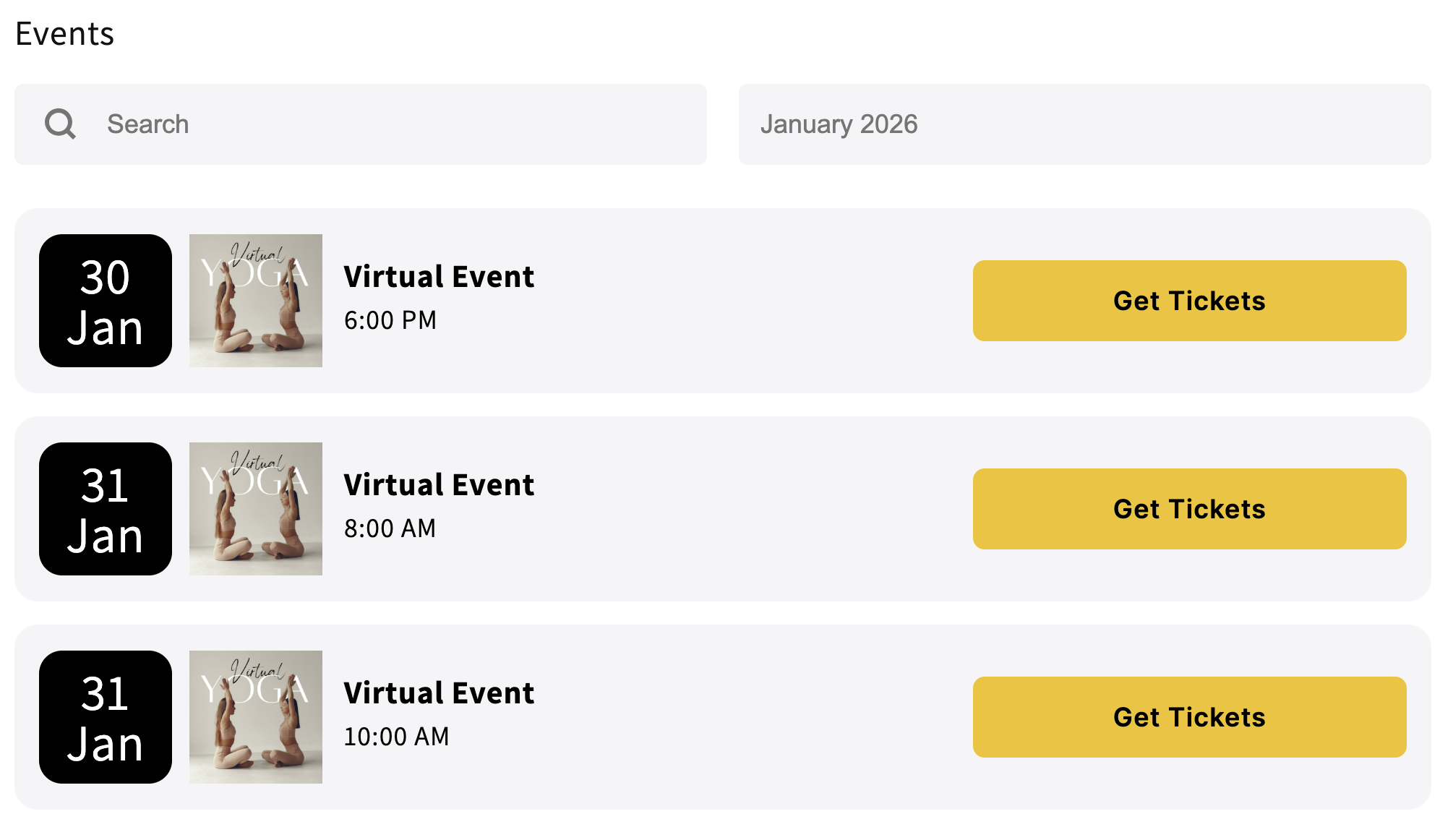
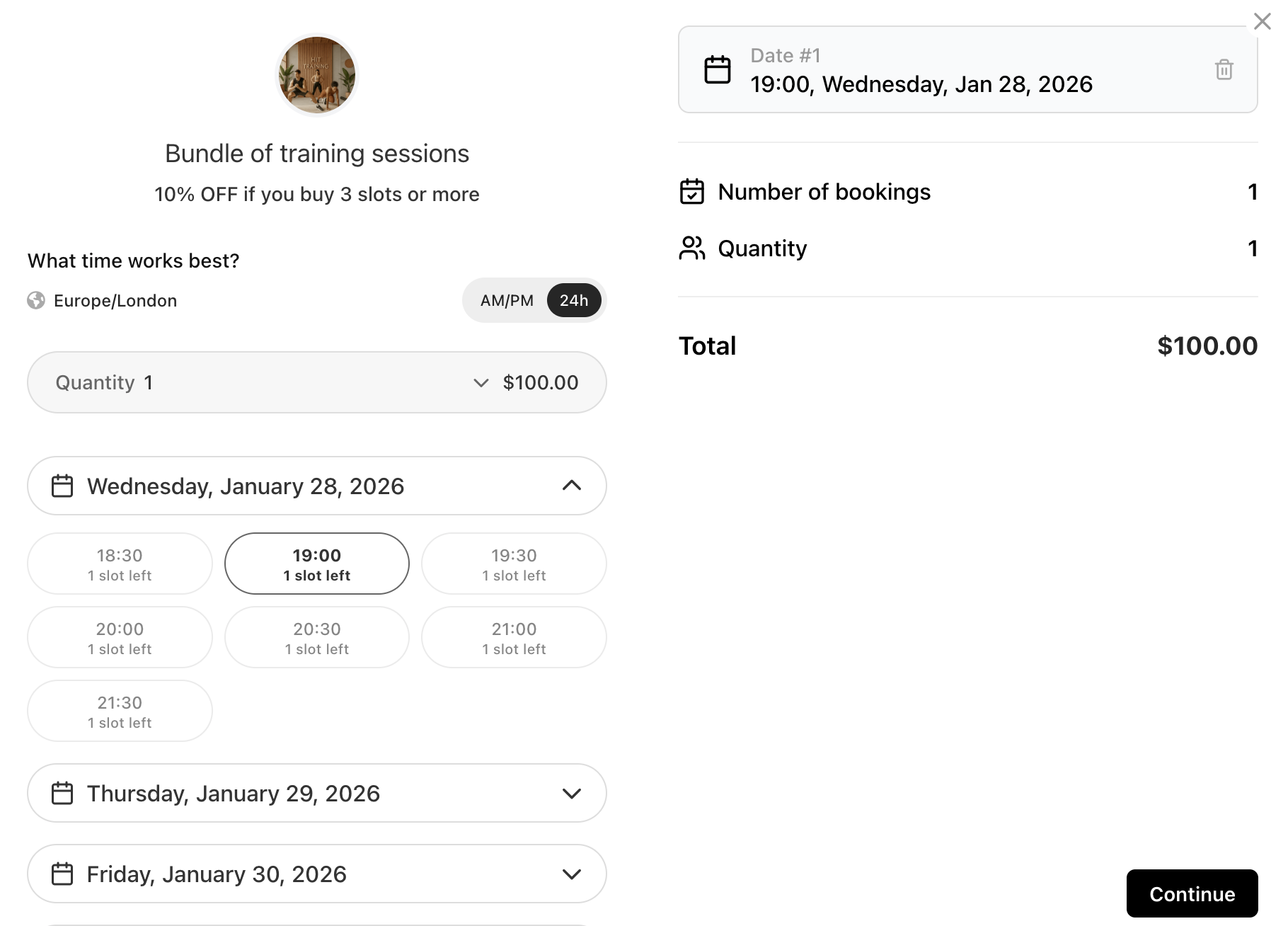
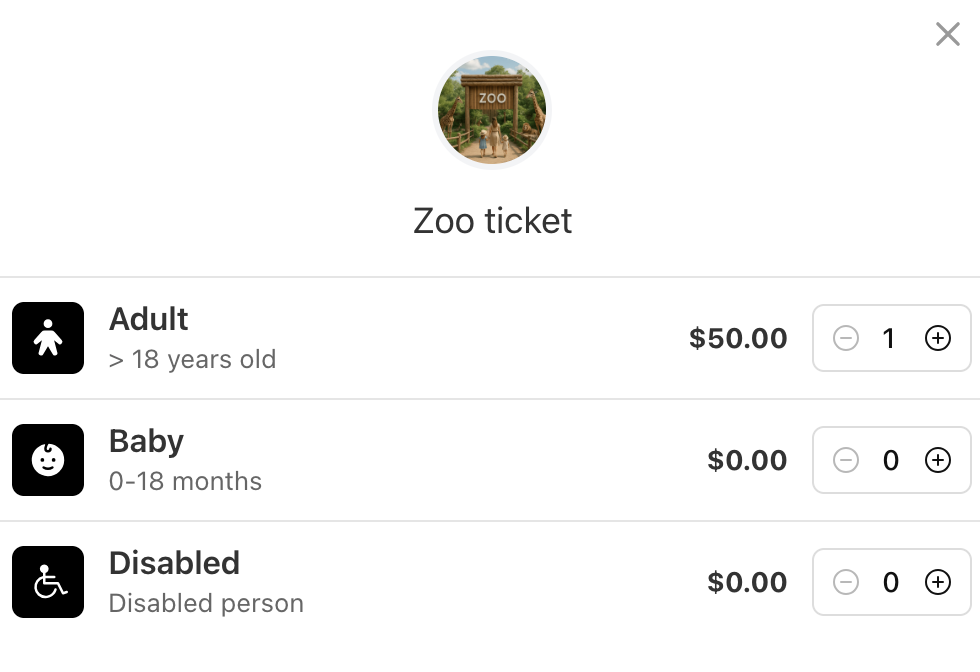
- Bookings & Ticketing: Selecting the right app isn’t about finding a one-size-fits-all solution, but matching the software to the institution’s specific operational rhythm. For the pottery museum, after evaluating apps like Every Events (powerful but with per-ticket fees) and Experience App (great for free events but lacking waitlists), we found Cowlendar best aligned with their needs for its robust feature set and sustainable pricing.
- This included support for complex date structures (single workshops, multi-day courses, recurring volunteer shifts), free/paid event handling, essential visitor experience tools like waitlists and self-service rescheduling/cancellations, and automated reminder emails. The critical lesson is that the “best” app depends entirely on how dates are structured (fixed schedules vs. flexible sessions) and specific requirements like capacity management, donor ticketing, or integration with membership levels. Other apps like BookX, Meety or BookThatApp might be perfect for different workflows.
- Volunteer Management: Instead of a separate system, Cowlendar could also handle volunteer session sign-ups. Volunteer applications would be captured via Shopify forms, creating a single admin interface for all “scheduling,” whether paid or voluntary.
- Unified POS: Shopify POS ensures that a vase sold online is removed from in-store inventory instantly, and a gift shop purchase can be linked to the customer’s online profile for future membership offers.
The Takeaway: Shopify’s app ecosystem is vast. The goal is not to find one app that does everything, but to find best-in-class specialists that integrate seamlessly, creating a cohesive operational backend that reduces staff friction.
Lesson 3: Prioritise Content-Rich Storytelling & Digital Collections
A museum’s website must be a digital extension of its physical space—immersive, educational, and visually stunning. This requires professional-grade asset management and presentation.
-
-
- Digital Asset Management (DAM) Foundation: For institutions with extensive archives, we recommend implementing a dedicated DAM system like Dash or Bynder. This creates a single source of truth for high-resolution images, video masters, and documents. Assets can be tagged, versioned, and permission-controlled, then published seamlessly to Shopify, ensuring brand consistency and drastically reducing the risk of staff using outdated or low-quality files.
- High-Performance Galleries: While Shopify themes handle basic galleries, for extensive digital collections we recommend Essential Grid Gallery. This app offers advanced filtering (by era, artist, technique), masonry layouts, and lazy-loading to maintain site speed with hundreds of images, which can be sourced directly from your DAM.
- Secure, Rich Media: For hosting sensitive video content—like artist interviews or premium workshop tutorials—we planned to integrate Vdocipher. It provides DRM-level protection, prevents screen recordings and downloads, adds dynamic watermarks and controls access, turning Shopify into a secure media portal. High-value assets are first stored in the DAM, then distributed securely through this layer.
- SEO-First Content Architecture: Using metaobjects and blogs, we structured content to target keywords like “studio pottery workshops,” “contemporary ceramic artists,” and “museum collection online.” Every artist profile and exhibition archive, populated with well-described assets from the DAM, becomes a discoverable entry point.
-
The Takeaway: Don’t just upload images to Shopify. Implement a professional DAM-to-CMS workflow. This protects your digital heritage, streamlines team workflows, and ensures the highest quality assets are used for storytelling and sales, directly impacting visitor engagement and institutional reputation.
A platform rebuild is only successful if audiences can actually find the new site. That’s why every cultural Shopify project we plan is underpinned by technical and content-led SEO from day one. Our approach includes pre-migration audits, keyword-driven information architecture, structured data, and post-launch monitoring – helping museums, studios, and galleries grow visibility while safeguarding long-earned search rankings.
Lesson 4: Embed Core Values (Sustainability, Accessibility) into the Build
For an institution rooted in craft and sustainability, the website itself had to reflect these values.
-
-
- Technical Sustainability: We selected a lightweight, performance-optimised theme as our base. By implementing next-gen image formats (WebP/AVIF), lazy loading, and minimal third-party scripts, we reduce the site’s carbon footprint and improve load times—a core tenet of sustainable web design.
- Proactive Accessibility: The build was planned to meet WCAG 2.1 AA standards from the ground up. This meant semantic HTML, full keyboard navigation, robust ARIA labels for complex interfaces, and careful contrast auditing within the brand palette.
- Future-Proof Management: We planned for “cold storage” of legacy pages (e.g., past exhibition microsites) within Shopify, hidden but easily retrievable. This prevents content bloat on the live site but keeps archives manageable within one system, avoiding the need for costly rediscovery later.
-
The Takeaway: Your platform should uphold your institutional values. Shopify’s modern architecture allows for clean, efficient, and accessible builds that are both principled and high-performing.
Conclusion: Shopify as a Strategic Platform for Mission-Driven Organisations
The proposal for a world-renowned pottery museum proved that Shopify is uniquely positioned to solve the core challenge of modern cultural institutions: the need to unify diverse revenue streams, operational workflows, and rich content under one manageable, affordable platform. For agencies, the lesson is to approach these projects not as “building an online shop,” but as a digital transformation strategy. You are designing a centralised command centre for brand storytelling, audience engagement, and operational efficiency. For museums, studios, and non-profits, the lesson is that you don’t need a patchwork of disparate systems. A thoughtfully architected Shopify website can be the resilient, flexible, and scalable digital home your mission deserves.
Planning a museum, gallery, or cultural Shopify project?
At Parasoul, we specialise in complex Shopify builds for organisations that blend retail, education, and storytelling. If you’re considering a migration, ticketing system, or digital archive, we’d love to talk.
-
-